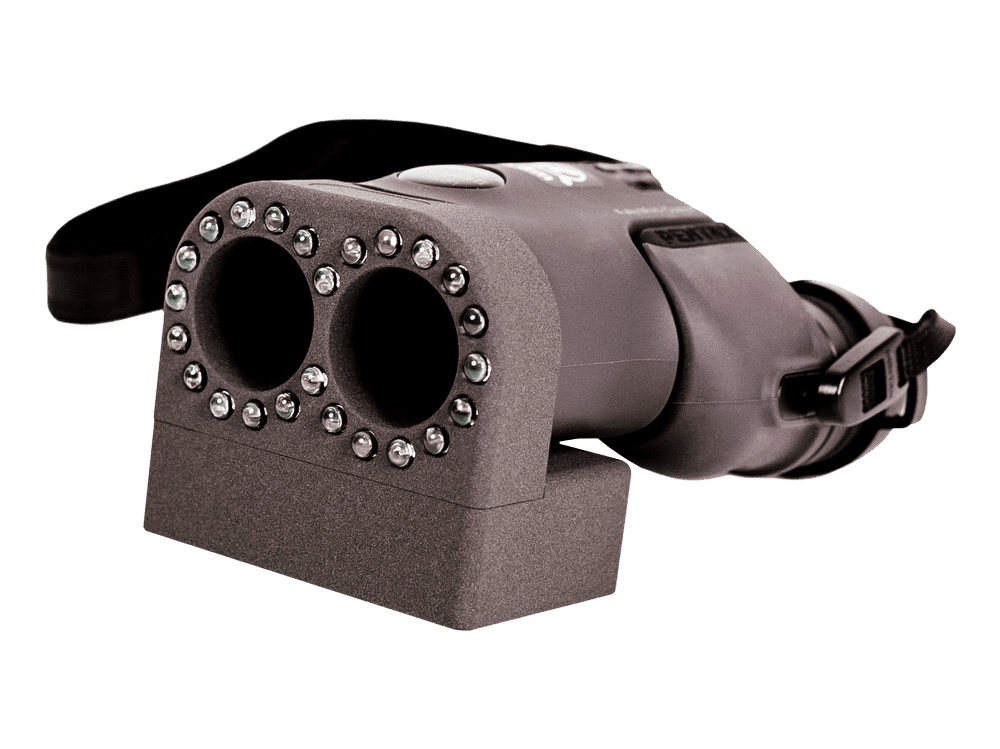
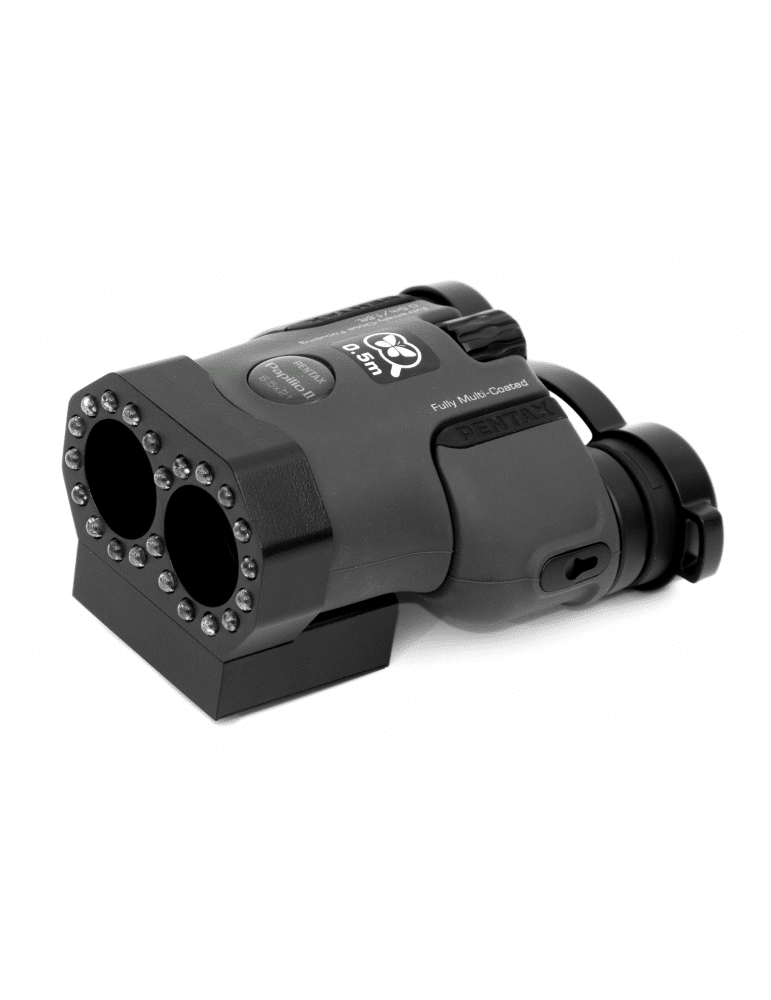
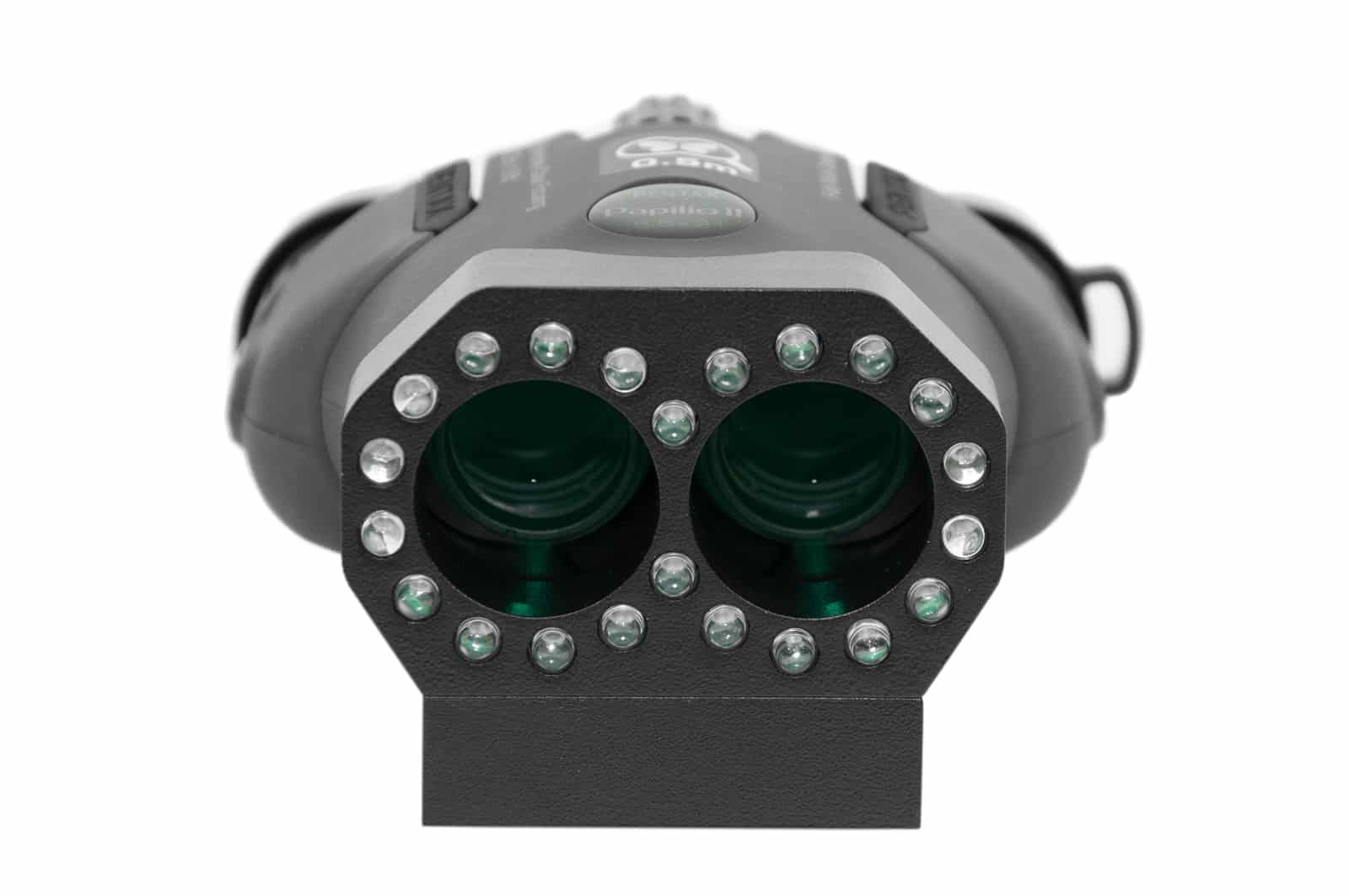
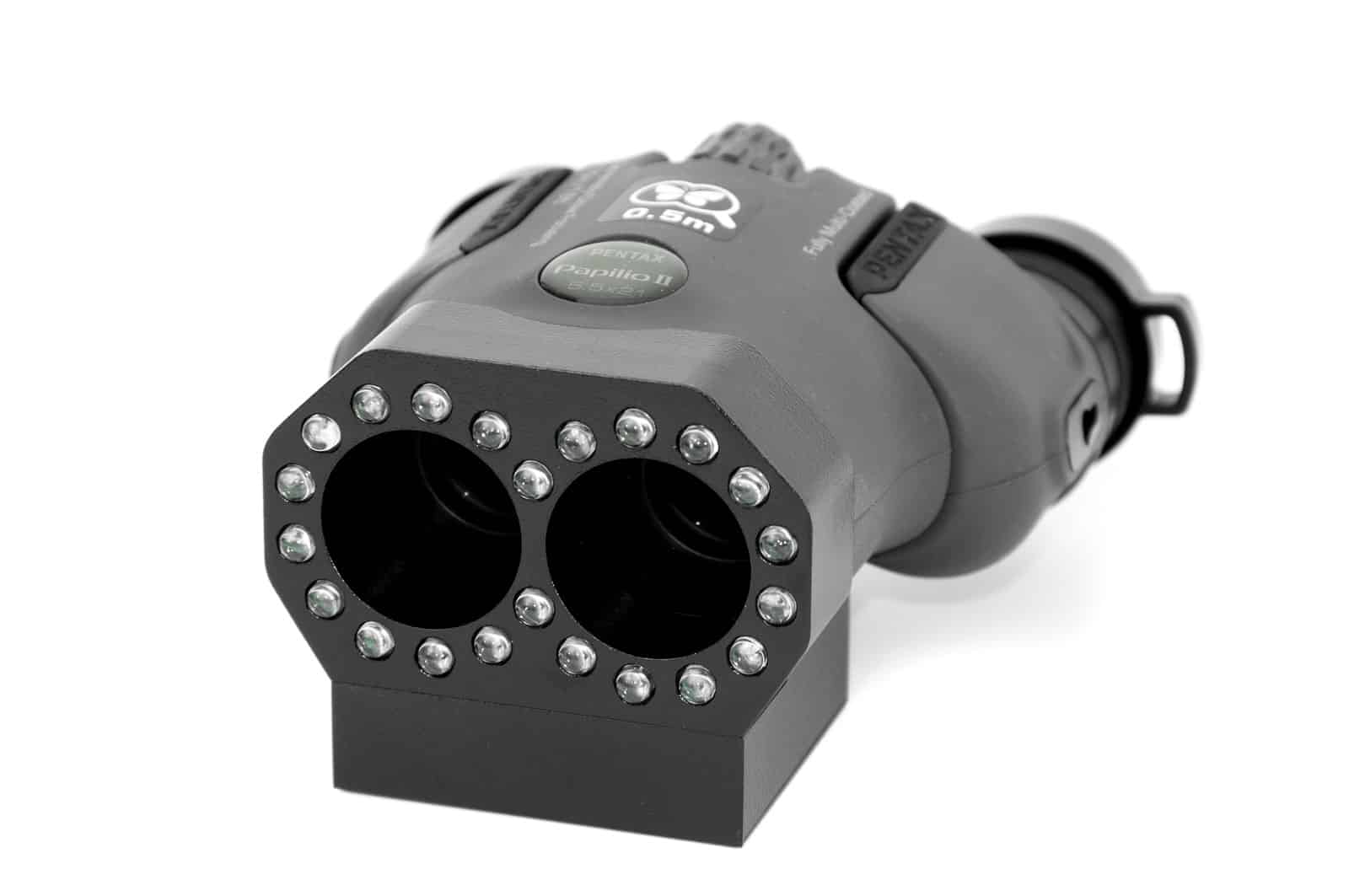
Optical Response PRO (ORP)
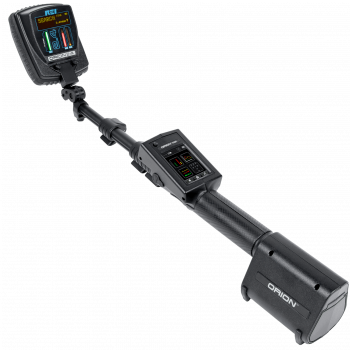
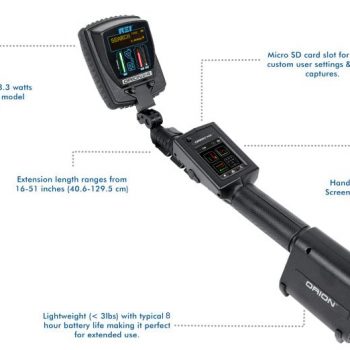
Optical Response PRO (ORP) represents a new professional standard in optical camera lens detection, developed in response to how covert surveillance threats have evolved.
The Changing Reality of Camera Lens Inspection
For many years, camera lens inspection has been treated as a low-tech, secondary task within TSCM work. Most professionals are familiar with basic optical camera detectors that rely on simple illumination, fixed working distances, and limited optical capability. While those tools may still reveal obvious installations, they were designed for a time when lenses were larger, concealment options were fewer, and inspection demands were lower.
That environment has changed significantly. Concealment techniques, component miniaturisation, and installation methods have advanced to the point where traditional optical inspection approaches no longer provide sufficient coverage for corporate and government-level TSCM sweeps, particularly where skilled actors may deliberately install unauthorised surveillance within operational environments.
Miniaturisation and Modern Concealment
Modern clandestine cameras are defined by miniaturisation. Camera lenses are now extremely small, embedded into everyday objects with millimetre-level precision, and installed in ways that defeat casual inspection. This has created a growing gap between how camera threats are deployed and how they are commonly inspected.
Typical concealment locations now include:
- Smoke and heat detectors
- Power adapters and chargers
- Clocks, radios, and desk items
- Vents, fixtures, and compact housings
These are not environments that traditional camera lens detectors were designed to inspect in detail.
Limitations of Traditional Optical Camera Detectors
Most optical camera detectors currently on the market share similar constraints. In many cases, they rely on fixed illumination, little or no zoom capability, and strict working distances. Operators are often required to position the device within a narrow range of the target object for the inspection to be considered valid, forcing every item to be physically brought close and examined at a single distance.
Common limitations include:
- No meaningful optical zoom
- Limited close-range clarity when inspecting small objects
- Narrow or unfocused field of view
- Single-wavelength illumination
- Increased false positives on plastics, moulded housings, and fixtures
These constraints make it increasingly difficult to confidently inspect small objects for hidden cameras, particularly where lenses are recessed, partially obscured, or installed at non-ideal angles.
Closing the Inspection Gap
Optical Response PRO exists to close this gap.
Rather than treating camera detection as a generic scan, ORP introduces a controlled optical response inspection approach designed specifically for professional camera lens inspection in confined and complex environments. The optical system is configured to provide high clarity across a range of practical working distances, allowing operators to move from room-level assessment to mid-range inspection and close-range confirmation using the same instrument.
In practical terms, this supports inspection at arm’s length, from standing distance, and across a room to identify items requiring closer follow-up—without forcing every object to be repositioned for a single fixed range. This flexibility reflects real-world inspection workflows and is particularly valuable in environments containing multiple objects distributed across walls, ceilings, and furnishings.
Optical Response PRO – Key Characteristics
- Optical zoom supporting inspection across multiple working distances
- A focused field of view that isolates the target object
- RGB-based optical camera lens detection, including blue-light-assisted inspection
- Improved differentiation between genuine optical responses and surface artefacts
This allows operators to work more efficiently across a space, performing optical inspection for hidden cameras with greater control and confidence than is possible with fixed-distance optical tools.
Professional Applications and Operational Necessity
For professional users, this capability is no longer optional. Professional hidden camera detection increasingly depends on reliable physical inspection, particularly in environments where devices may be dormant, hard-wired, or locally recording. In these cases, electronic detection alone cannot confirm the absence of concealed lenses.
This applies directly to:
- Corporate Security Teams
- Executive Protection Units
- Government Security Consultants
In these contexts, reliance on low-precision optical tools leaves unnecessary exposure—exposure that is difficult to justify if inspection methodology is questioned.
Role Within a Modern TSCM Toolkit
Optical Response PRO does not replace RF or electronic detection systems. It addresses a specific and growing blind spot in modern TSCM camera detection: the reliable inspection of small objects and concealed apertures using disciplined optical response analysis.
Optical Response PRO is a justified addition to any professional TSCM kit used by Corporate, Executive Protection, and Government Security Consultants.
What is Optical Response PRO designed to detect?
Optical Response PRO is designed to support the identification of concealed camera lenses by observing optical responses from apertures during physical inspection. It is used to locate hidden camera lenses embedded within objects, fixtures, and confined spaces.
How does Optical Response PRO differ from traditional camera lens detectors?
Traditional camera lens detectors typically rely on fixed illumination, limited optics, and strict working distances. Optical Response PRO combines optical zoom, a focused field of view, and multi-spectrum illumination to support controlled inspection of small objects across multiple distances and angles.
Is Optical Response PRO intended to replace RF or electronic detection tools?
No. Optical Response PRO is designed to complement RF and electronic detection systems. It addresses physical inspection scenarios where cameras may be dormant, hard-wired, or locally recording and therefore not detectable through electronic methods alone.
When is optical inspection necessary during a professional TSCM sweep?
Optical inspection is required when verifying the physical environment, particularly where concealed cameras may be embedded into everyday objects or fixtures. It is commonly used alongside electronic detection to confirm the absence of hidden lenses at the object level.
What types of objects is Optical Response PRO most effective for inspecting?
Optical Response PRO is particularly effective when inspecting small or confined objects such as smoke detectors, power adapters, chargers, clocks, vents, fixtures, and other compact housings commonly used for camera concealment.
Why isn’t basic camera lens inspection sufficient for professional sweeps anymore?
Relying on basic camera lens detectors today is similar to relying on a metal detector alone to secure a modern building. It may identify obvious threats, but it does not provide the level of inspection required to confidently rule out concealed risks. Modern camera concealment demands optical tools capable of closer scrutiny and greater control during physical inspection.
Why do many camera lens detectors require strict working distances?
Many camera lens detectors lack optical zoom and rely on fixed-focus illumination, which forces operators to maintain a narrow working distance for valid inspection. This limits flexibility and often requires objects to be repositioned repeatedly during a sweep.
How does Optical Response PRO reduce the need to reposition objects during inspection?
Optical Response PRO supports inspection across multiple working distances, allowing operators to assess objects from standing position, mid-range, and close proximity using the same instrument. This supports a more efficient workflow when inspecting rooms containing multiple fixtures and objects.
What advantage does a focused field of view provide during inspection?
A focused field of view concentrates illumination and observation on the target object, reducing peripheral glare and unwanted reflections. This helps operators more reliably differentiate genuine optical responses from surface artefacts on plastics and moulded housings.
What role does RGB and blue-light illumination play in optical response inspection?
Multi-spectrum RGB illumination, including blue-light support, increases the probability of observing valid optical responses across different materials, coatings, and concealment techniques. It allows inspection to adapt to modern lens designs rather than relying on a single wavelength.
How is Optical Response PRO typically used during real-world professional inspections?
Optical Response PRO is used during planned physical inspection phases of a sweep, often before occupancy or prior to high-risk meetings and stays. In corporate and executive protection contexts—such as hotel rooms, serviced apartments, or client premises—the tool is deployed to inspect fixtures and objects that may have been accessed in advance, including locations where unauthorised surveillance could have been deliberately installed.
In these environments, inspections are expected to be thorough, time-bound, and subject to scrutiny by experienced clients who understand the process may take hours or days. Optical Response PRO supports this expectation by enabling controlled, object-level inspection as part of a structured and defensible professional sweep.